

January is National Radon Action Month, and Jamestown Regional Medical Center (JRMC) is encouraging residents to be aware of the risks of radon exposure and the preventative measures they can take to protect their health. JRMC is also highlighting the increased risks associated with combined radon exposure and nicotine use and reminding community members of its available tobacco treatment services.
“Testing your home for radon is a simple but critical step in preventing long-term health risks, especially since radon is invisible and odorless,” said Shannon Klatt, Director of Health Promotion at the Central Valley Health District. “In Jamestown, elevated radon levels are common, making testing essential to protect the health of everyone in your household.”
Radon is a naturally occurring radioactive gas found throughout the soil in North Dakota. It is colorless, odorless and tasteless, making it impossible to detect without testing. Cold weather months are an ideal time to test a home’s radon levels, as homes are more tightly sealed during winter. Radon test kits can be purchased online, at most hardware stores or at times obtained from the North Dakota Department of Environmental Quality. Radon levels are typically highest at the lowest level of a building and gradually decrease as air rises. Individuals whose homes test high for radon may consider installing a radon mitigation system to reduce exposure.
Prolonged exposure to elevated radon levels is the second leading cause of lung cancer in America, first in non-smokers. For individuals who smoke, the risk of developing lung cancer increases significantly when combined with radon exposure. Radon-related illness is estimated to contribute to more than 21,000 deaths each year in the United States.
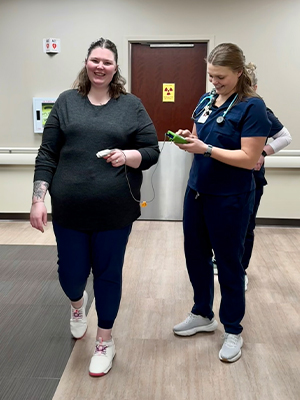
“The combined effects of radon and tobacco exposure greatly increase a person’s risk of getting lung cancer. If we can reduce either of these, we can significantly reduce that risk,” said Nicole Brandvold, JRMC Respiratory Care Leader. “JRMC’s tobacco treatment program is ready to help anyone who is ready to quit or cut back on tobacco use.”
JRMC Respiratory Care offers tobacco treatment services to both inpatient and outpatient individuals, including counseling and nicotine replacement therapy. The medical center also provides tobacco treatment support to new and expecting mothers, recognizing that overcoming nicotine addiction during pregnancy can reduce pregnancy complications and the chances of premature birth.
Together, radon exposure and tobacco use present a significant but preventable health risk for North Dakotans. Awareness, testing and early intervention are key steps individuals can take to reduce their risk of lung cancer and other respiratory conditions.