


Vein Treatment in Jamestown
YOUR VEIN TREATMENT STARTS HERE
Living with vein disease can be challenging — but it doesn’t have to be. From your initial consultation through post-procedure follow-up, JRMC provides advanced vein care that’s more accessible and convenient than you might expect.
Trusted vein treatments and experienced vein specialists are right here in Jamestown, ND.
JRMC offers vein treatment care for:
- venous reflux
- varicose veins
- spider veins
- leg pain and leg swelling
SIGNS AND SYMPTOMS OF VEIN DISEASE
- varicose veins
- swelling
- itching
- heaviness or tiredness
- aching
- cramping
- restlessness
- skin change and/or discoloration
- open skin sores
Schedule a vein screening to discuss if treatment is right for you.
TYPES OF VEIN TREATMENT OFFERED
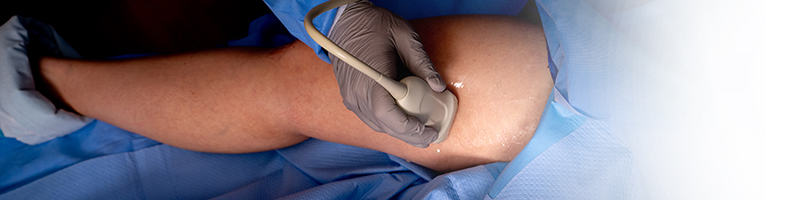
The days of needing traditional varicose vein surgery are over. Our minimally invasive vein treatment options are performed in an outpatient setting and are designed to relieve symptoms with minimal downtime — allowing you to return to your normal routine faster.
JRMC offers two advanced treatment options supported by leading Medtronic technologies: VenaSeal™ and ClosureFast™.
About the Procedure
The VenaSeal treatment is a minimally invasive, simple procedure that uses a small catheter designed to close veins with a medical adhesive and without the use of tumescent anethesia. This is an outpatient procedure that can be performed on both legs during one treatment session.
Most patients experience minimal pain and typically return to normal activity on the same day!
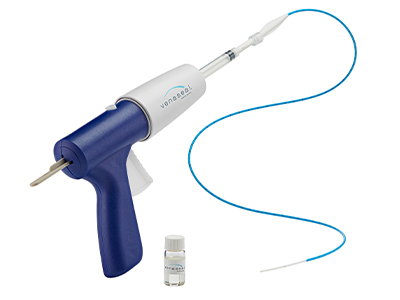
The VenaSeal Procedure
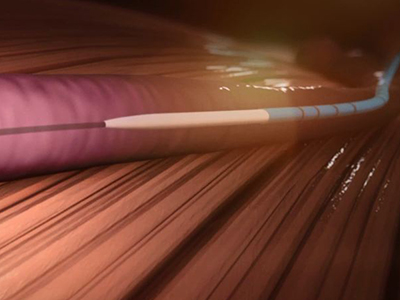
Step 1: Catheter is placed in the vein
Using an ultrasound, your doctor will position a catheter into the diseased vein through a small access site.
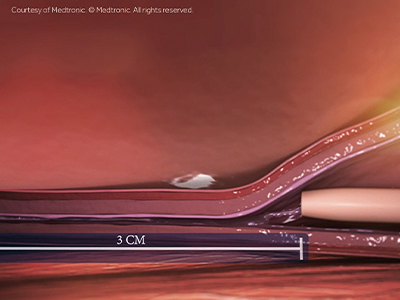
Step 2: Specialized adhesive is placed
A specially formulated medical adhesive is placed in the diseased vein via a small catheter.
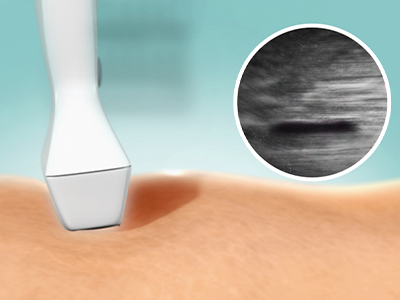
Step 3: Light external pressure is applied
Light external pressure is applied to adhere the vein walls together. This step is repeated for the length of the vein.
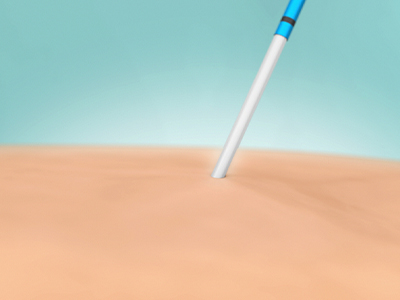
Step 4: Catheter is removed
The catheter is removed and a single adhesive bandage is applied to the vein access site.
What to Expect
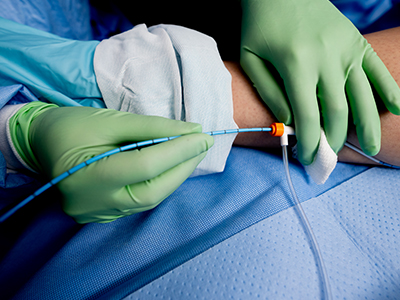 Personalized care experience from evaluation through recovery from Nurse Practitioner Asia Hamlin.
- consultation appointment
- diagnostic imaging
- treatment plan
- procedure performed by interventional radiologist Dr. Madhusudhan Reddy
- follow-up care and recovery support
Patients typically return to normal activities the same day.
About the Procedure
The ClosureFast treatment is a minimally invasive procedure that uses radiofrequency energy to gently heat and close diseased veins. This is an outpatient procedure that generally takes under an hour and is typically performed on one leg per treatment session.
Most patients experience limited discomfort, minimal scarring and faster recovery time!
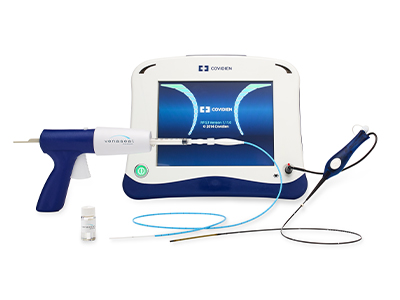
The ClosureFast Procedure
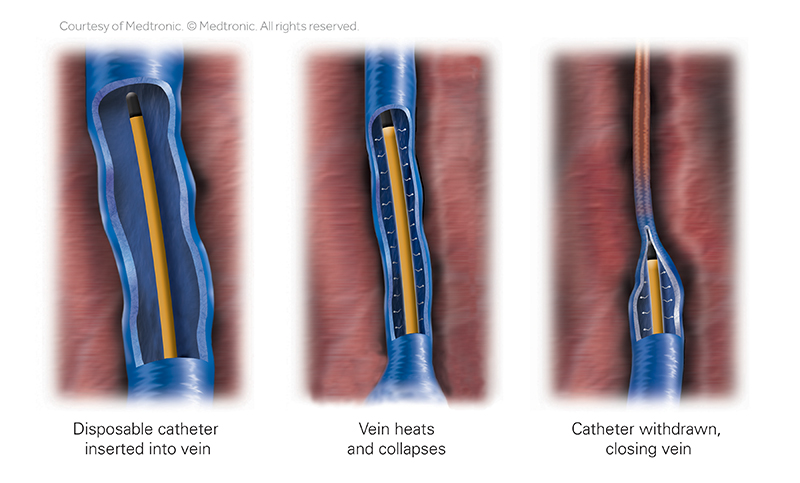
Step 1: Thermal catheter placed in vein and area numbed
Using an ultrasound, your doctor will position a catheter into the diseased vein through a small access site. The area around the vein will be numbed by a series of injections.
Step 2: Heat is delivered to vein wall
The vein wall is heated and the catheter is withdrawn from the vein.
Step 3: Vein is closed
The vein is heat sealed as the catheter is removed. A multilayer compression wrap is applied from foot to groin.
What to Expect
 Personalized care experience from evaluation through recovery from Nurse Practitioner Asia Hamlin.
- consultation appointment
- diagnostic imaging
- treatment plan
- procedure performed by interventional radiologist Dr. Madhusudhan Reddy
- follow-up care and recovery support
Patients typically return to normal activities within a few days.
Frequently Asked Questions
Can this help my spider veins?
Yes, if the underlying cause of spider veins is venous reflux, both the VenaSeal and the ClosureFast procedures can help. If spider veins persist after reflux is managed, a separate therapy may be needed.
Don't I need that vein? What if I need that vein for a heart bypass?
If a vein is treated with VenaSeal, it is no longer a viable options for use as a bypass graft in future surgeries. Surgeons would need to use an alternative vessel for future bypass needs. Surgeons do not typically use a diseased or treated vein for bypass graft. You should discuss this with a surgeon if bypass is a known future concern.
Will this help my leg swelling?
Yes, treating venous reflux will ultimately help with the symptoms of venous reflux, such as leg swelling.
Is the procedure painful?
You will receive local anesthesia before the procedure. Pain/discomfort after the procedure is typically tolerable and recovery time is short.
Does insurance cover the procedure?
Many plans cover vein treatments when medically necessary (i.e., documented reflux and symptoms), but coverage for VenaSeal specifically can vary by insurer and region because it’s relatively newer. Some insurers may require alternative treatments first.
How did I get this?
Venous reflux is very common and people mainly get it from damaged or weakened valves that cause blood to pool. Causes include genetics, pregnancy, obesity, blood clots, lack of activity, smoking, or prolonged standing or sitting.
Will it help my pain and swelling?
Yes, treating venous reflux will ultimately help with the symptoms of venous reflux, such as leg pain and swelling.
Can you get rid of these bulging veins?
Yes, both VenaSeal and ClosureFast procedures are effective against varicose veins. VenaSeal uses a medical adhesive (glue) to seal veins shut without heat, while ClosureFast uses radiofrequency (RF) energy to heat and collapse the vein walls.

Meet the Vein Treatment Team
Jamestown Regional Medical Center

The appointment you are making is with a Jamestown Regional Medical Center provider.
MyChart