


For Morgan Croves, nurse practitioner (NP), helping people find relief is more than a career — it is a calling.
Through Jamestown Regional Medical Center’s (JRMC) opioid-free Pain Management Clinic, Morgan is combining that calling with a growing need in the region: access to specialized, comprehensive care for chronic pain.
Croves has spent her life investing in North Dakota communities. She grew up in Casselton, earned her bachelor’s degree from the University of Jamestown and completed her Doctor of Nursing Practice at the University of Mary in Bismarck. Before becoming an NP, she worked eight years in the intensive care unit (ICU) in Fargo.
It was her time in the ICU that shaped her decision to advance her education.
“I saw so many patients whose conditions might have been prevented or caught earlier,” said Croves. “I often thought to myself, ‘If we could have intervened sooner, maybe they wouldn’t be so sick.’”
Determined to make an impact earlier in the course of illness, Croves pursued her nurse practitioner certification in family practice. She later joined the Holistic Pain Management team, where she received advanced level training and experience in comprehensive, interventional pain care.
Today, that experience informs her work in Jamestown.
Chronic pain rarely affects just one part of a person’s life. It can influence physical function, emotional well-being, mental health and daily routines. Croves believes effective treatment must begin with listening.
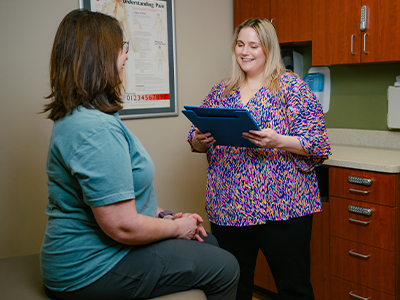
“I enjoy studying the anatomy and pathophysiology behind pain,” said Croves. “But more than that, I value listening to people’s stories — how they got to where they are. Creating a safe space where someone can share their pain story and know it’s valid is very important to me.”
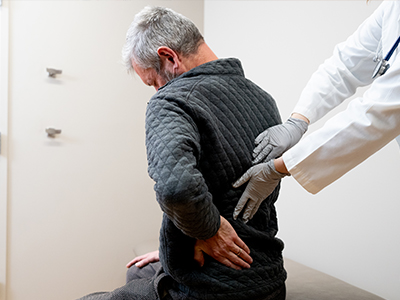
At JRMC’s Pain Management Clinic, Croves takes time with each patient to conduct a thorough history, review imaging and perform a detailed physical examination to identify the true source — or “pain generator” — of one’s symptoms. From there, care plans are individualized and collaborative.
Unlike many traditional pain practices, JRMC’s clinic operates without prescribing opioids. Instead, the team focuses on non-opioid medication strategies and interventional procedures designed to address the root cause of pain, rather than focusing solely on symptom management.
“We focus on interventional procedures and non-opioid approaches that are often safer and more effective long-term,” said Croves. “Our goal is not just symptom control — it’s improving function and quality of life.”
Since opening in January 2026, the new service line has already delivered meaningful results in our community.
“In my time at JRMC, I have seen patients experience significant improvements after procedures or medication adjustment,” said Croves. “When someone has lived in constant pain and suddenly feels relief, it truly gives them their life back. It restores hope.”
For many rural residents, that hope had previously felt out of reach.
Data from the Behavioral Risk Factor Surveillance System shows chronic pain is more prevalent among rural Americans than those living in urban areas. Rural populations also tend to experience more severe pain. Contributing factors include higher rates of physically demanding labor, older average populations and limited access to specialized care.
Like many of the medical center’s specialty services, the JRMC Pain Management Clinic was established because leadership heard the community’s voice when they asked for access to care for pain. Before JRMC introduced local pain management services, patients often traveled to Fargo or Bismarck — sometimes multiple times a month — for consultations and procedures.
“If you’re already in pain, the last thing that you want to do is drive 90 miles for care,” Croves said.
Offering services locally reduces burdens and allows for more timely follow-ups and procedures, which can improve outcomes and continuity of care. It also removes a major barrier that often prevents patients from seeking help in the first place.
The clinic treats a wide range of chronic pain, including migraines, fibromyalgia, complex regional pain syndrome, joint pain, cancer-related pain, abdominal and pelvic pain. The most common conditions they encounter are spine-related — lower back, neck and mid-back pain.
In addition to Croves’ comprehensive evaluations and treatment planning, JRMC offers advanced noninvasive procedures such as targeted injections, nerve treatments and nerve blocks. These services are provided by a certified registered nurse anesthetist (CRNA) with fellowship-level training in pain management — a level of care that is uncommon in rural settings.
Croves believes the JRMC Pain Management Clinic represents more than a new service line. It represents a shift in how chronic pain is addressed in the region.
“Pain management is an underserved area of healthcare. Many patients feel overlooked or dismissed,” said Croves. “I truly believe we’re going to make a significant difference in this community. Once patients realize that chronic pain can be managed without relying on opioids, I think it is going to change lives.”
For Croves, that difference occurs one patient at a time through listening, collaboration and the continuing belief that relief is possible.
This article originally appeared in The Jamestown Sun and is reposted here with permission.
LEARN MORE